Study abroad in 12 countries
We help with admissions in Cyprus, the UK, Canada and nine more countries in Europe. Tell us what you want to study and we will help you find the right place to do it.
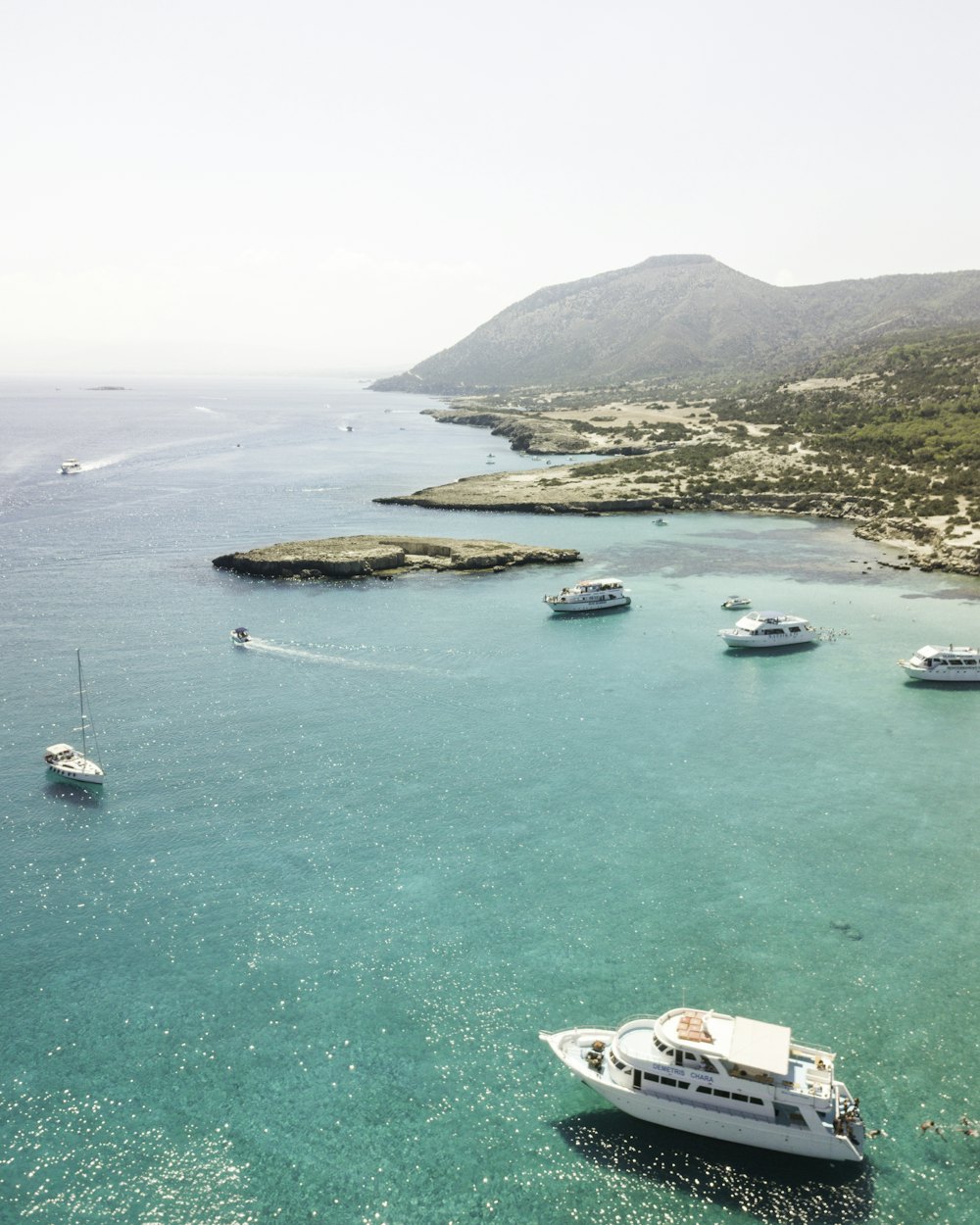
Countries we work with
We help with admissions in all 12. Pick a country to see what international students usually need.
Cyprus
February 2027 intake openEnglish-taught programmes at universities and colleges, on a Mediterranean island inside the EU.
- Visa or permit
- A student entry permit arranged through your university before you travel, then a temporary residence permit after you arrive.
- Entry and language
- WASSCE for a bachelor's, a bachelor's degree for a master's. Many programmes are taught in English, and the university sets any language test.
- Money
- The entry-permit file includes a €3,000 advance tuition payment, a recent bank letter showing you can cover tuition, living costs and the journey home, and your acceptance letter.
- Working while you study
- New students cannot work in their first semester. After it, you may work up to 20 hours a week in term (38 in breaks), in approved sectors, with a contract stamped by the Department of Labour.
- Intakes
- Usually September/October and February/March. February 2027 is open now with AP Travels.
- Tuition
- Set by each university. The EU study portal lists public master's programmes at roughly €4,100 to €10,250 a year.
Documents you will usually need
- Letter of acceptance for full-time study
- Certified academic qualifications
- Passport valid for 2 years or your study period
- Certified criminal record, with a Greek or English translation
- Medical examination results from a state agency
- Bank letter
- Receipt for the €3,000 advance tuition
- Health insurance (needed for your residence permit, we confirm)
Good to know
- Allow about a month for your entry permit to be examined. Your university helps arrange it.
- Apply for your residence permit within a week of arriving.
We confirm the latest official requirements for Cyprus before you apply.
Ask about CyprusUnited Kingdom
Admissions availableA wide choice of universities and one of the clearest student visa processes.
- Visa or permit
- Student visa, applied for online up to 6 months before your course starts. You need a CAS from a licensed university. The visa fee is £558, plus a health surcharge of £776 for each year of your visa.
- Entry and language
- Set by each university. A WASSCE alone is often not enough for a bachelor's, so a foundation year may be needed. English at CEFR B2 for degree level, shown with an approved test or a university assessment.
- Money
- Until 29 November 2026 you need £1,529 a month in London or £1,171 outside London, for up to 9 months. From 30 November 2026 this becomes £1,570 and £1,203. You also need your first-year fees, and the money must be held for 28 days in a row.
- Working while you study
- On a full-time degree you can usually work up to 20 hours a week in term time and full-time in official holidays. Your visa and university confirm the exact limit.
- Intakes
- September (main) and January.
- Tuition
- Set by each university.
Documents you will usually need
- Valid passport
- CAS from your university
- Bank statements covering 28 days
- English test or equivalent
- Academic certificates and transcripts
- TB test from an approved clinic (Ghana is on the list)
- ATAS certificate, for some courses
Good to know
- Check that your university is a licensed visa sponsor.
- The Graduate visa lets you stay on after your degree to look for work. It is 18 months for applications from 2027.
We confirm the latest official requirements for United Kingdom before you apply.
Ask about United KingdomCanada
Admissions availableStrong colleges and universities, with clear rules for working while you study.
- Visa or permit
- Study permit from IRCC, applied for before you travel. The fee is CAD 150, and biometrics (CAD 85) are usually required.
- Entry and language
- A letter of acceptance from a designated learning institution, plus a provincial attestation letter for most students. Master's and PhD students at public universities do not need one, and Quebec needs a CAQ instead. Your school sets the English test and score.
- Money
- First-year tuition, living costs and travel. Living costs are CAD 23,448 for one person outside Quebec, for applications from 1 September 2026.
- Working while you study
- Up to 24 hours a week off campus during term, and full-time in scheduled breaks, if your permit allows it.
- Intakes
- September, January and May at most institutions.
- Tuition
- Set by each institution.
Documents you will usually need
- Valid passport
- Letter of acceptance
- Provincial attestation letter (or CAQ for Quebec)
- Proof of funds
- Passport photos
- Letter of explanation
- Medical exam and police certificate, if requested
Good to know
- Make sure your school is on IRCC's list of designated learning institutions.
- We check the Accra visa office checklist for you, and processing times change, so apply early.
We confirm the latest official requirements for Canada before you apply.
Ask about CanadaGermany
Admissions availablePublic universities with low or no tuition in most states, and a strong reputation for engineering and science.
- Visa or permit
- National student visa from the German Embassy in Accra. You upload your documents on the online portal, then book your appointment. The €75 fee is paid at the appointment, and after you arrive you get a residence permit.
- Entry and language
- DAAD Ghana says a WASSCE alone does not give direct entry to a bachelor's: you need a year of university in Ghana, or a preparatory year (Studienkolleg) in Germany, which is usually taught in German. For a master's, a bachelor's degree. Language is usually B2 in German or English.
- Money
- A blocked account of €11,904 for the first year (€992 a month). Tuition fees, where they apply, are shown separately.
- Working while you study
- 140 full days or 280 half days a year. University jobs such as student assistant sit outside that limit.
- Intakes
- Winter semester (October) and summer semester (April). Deadlines vary by university.
- Tuition
- Public universities charge a semester fee and, in most states, no tuition. Some states charge international students, and private universities charge fees.
Documents you will usually need
- Passport valid for 6+ months, with 2 free pages
- Birth certificate
- WASSCE and BECE certificates
- CV and signed motivation letter
- Admission letter
- Language certificate
- Blocked account confirmation
- German health insurance (travel insurance is not enough)
Good to know
- Your certificates are checked for equivalence, so we confirm your route early.
- Meeting the formal requirements does not guarantee admission.
We confirm the latest official requirements for Germany before you apply.
Ask about GermanySweden
Admissions availableEnglish-taught programmes, modern universities and a strong focus on innovation.
- Visa or permit
- A residence permit for studies from the Swedish Migration Agency, issued before you travel. The fee is SEK 1,500.
- Entry and language
- You must be fully admitted to full-time study on campus, applying through universityadmissions.se. The general English requirement is called English 6, and a WASSCE English result or an approved test can meet it. Each programme lists its own requirement.
- Money
- SEK 10,656 a month in 2026, for the whole permit period. Tuition must be paid before you apply for the permit.
- Working while you study
- Bachelor's and master's students may work up to 15 hours a week for permits granted from 11 June 2026, with some exceptions such as summer months.
- Intakes
- Autumn (main) and a smaller spring intake. Autumn applications usually close in mid-January: 15 January 2027 for autumn 2027.
- Tuition
- Non-EU students pay tuition, set by each university.
Documents you will usually need
- Valid passport
- Admission decision
- Proof that tuition is paid
- Bank statements dated within 4 months of your permit start
- Health insurance, if you study under a year
- Translated documents
Good to know
- Apply as soon as you are admitted, because the permit must be issued before you travel.
- You need to complete 37.5 credits in your first year and 45 each year after.
We confirm the latest official requirements for Sweden before you apply.
Ask about SwedenSpain
Admissions availableSunny cities, Spanish and English-taught options, and an easy base for travelling around Europe.
- Visa or permit
- A national long-stay student visa, applied for in person by appointment at the Embassy of Spain in Accra. The fee is €80. After you arrive, you apply for your TIE residence card within a month.
- Entry and language
- An acceptance letter and proof you paid enrolment. How Spanish universities treat the WASSCE varies, so we check recognition first. Spanish-taught courses usually need B2, and English-taught courses need an English test.
- Money
- About €600 a month of your stay (100% of the national reference figure, IPREM), plus extra for any family travelling with you.
- Working while you study
- If you study at a university in Spain you can work up to 30 hours a week, as long as the job fits your classes.
- Intakes
- September/October and February.
- Tuition
- Set by each region and university.
Documents you will usually need
- Passport valid for your whole stay, with 2 blank pages and under 10 years old
- Acceptance letter and enrolment payment
- Proof of funds
- Spanish-valid private health insurance
- Medical certificate
- Apostilled police record for the past 5 years
- Translations of foreign documents
Good to know
- Travel insurance is not accepted. You need a full health policy valid in Spain.
- Apply well before your course starts. A decision takes about a month, and flights should wait until your visa is granted.
We confirm the latest official requirements for Spain before you apply.
Ask about SpainPortugal
Admissions availableA friendly, safe country with growing English-taught options.
- Visa or permit
- A residence visa for study from the Portuguese consulate. After you arrive you apply to AIMA, the immigration agency, for your student residence permit.
- Entry and language
- You must be admitted through the institution's application for international students. Portuguese-taught courses may ask for a Portuguese language certificate. WASSCE recognition is set by each institution.
- Money
- Students admitted to a recognised Portuguese higher-education institution are normally exempt from proving means, but the consulate can still ask. We confirm what applies to you.
- Working while you study
- Student residence permit holders can usually work alongside their studies, as long as study stays the main activity. We confirm the current conditions before you decide.
- Intakes
- September/October, and February at some institutions.
- Tuition
- Set by each institution.
Documents you will usually need
- Passport valid 3 months past your return date
- Visa form and 2 photos
- Proof of admission
- Apostilled criminal record certificate
- Proof of means, if the consulate asks
- Insurance and proof of address, if the consulate asks
Good to know
- Your residence visa gives you 4 months to apply to AIMA after you arrive, so book your appointment straight away.
- Rules and appointment waits change, so we confirm the latest with the consulate.
We confirm the latest official requirements for Portugal before you apply.
Ask about PortugalMalta
Admissions availableAn English-speaking island in the Mediterranean with a compact, welcoming student scene.
- Visa or permit
- A long-stay visa (type D) before you travel, then a study residence permit from Identità after you arrive. Biometrics are taken in person.
- Entry and language
- A full-time course at a licensed institution, at MQF Level 5 or above. Academic and English levels are set by each institution.
- Money
- Bank statements for the previous 3 months showing you meet the minimum set by Identità. The minimum changes yearly.
- Working while you study
- After your first 90 days you can work up to 20 hours a week in total, once your employer gets a Jobsplus work licence. You must stay a full-time student.
- Intakes
- October is the main intake. Some institutions also start in February or March.
- Tuition
- The EU study portal lists bachelor's at roughly €1,000 to €9,000 and master's at €2,000 to €12,000 a year.
Documents you will usually need
- Passport valid 6+ months beyond your stay
- Acceptance letter
- Proof of tuition payment
- Last 3 months of bank statements
- Health insurance of at least €100,000 (some institutions exempt)
- Accommodation proof
- Apostilled and translated documents
Good to know
- Apply for the right visa. A tourist visa can lead to your study permit being refused.
- A one-time 9-month permit is available after you finish, to look for work.
We confirm the latest official requirements for Malta before you apply.
Ask about MaltaLithuania
Admissions availableAffordable tuition, English-taught degrees and a modern EU capital in Vilnius.
- Visa or permit
- Degree students normally apply for a temporary residence permit, before you travel or after you arrive. A national D visa mostly applies to exchange students. We confirm your route.
- Entry and language
- A secondary certificate for a bachelor's, or a bachelor's for a master's, assessed by the national recognition centre. Many programmes are in English, and the university sets the English proof.
- Money
- About half of Lithuania's minimum monthly wage for each month of your permit, and the amount rises each year. We give you the current figure.
- Working while you study
- Student work hours are capped, and the rules changed in 2026. We confirm the limit that applies to you.
- Intakes
- September (main, applications roughly January to June) and February at some universities.
- Tuition
- The EU study portal lists from about €1,300 a year for bachelor's and €2,300 for master's.
Documents you will usually need
- Passport with blank pages
- Admission letter and university reference number
- Apostilled criminal record certificate
- Proof of funds
- Health insurance (at least €10,000)
- Accommodation proof
- State fee payment
Good to know
- Check that your university can enrol international students before you pay any fees.
- A residence permit can take up to 2 months.
We confirm the latest official requirements for Lithuania before you apply.
Ask about LithuaniaEstonia
Admissions availableA digital-first country with English-taught programmes and a small, friendly student community.
- Visa or permit
- A temporary residence permit for study, covering your study period. You apply at an Estonian embassy abroad, and we confirm the route for Ghana.
- Entry and language
- Admission to an Estonian institution, and some have entrance exams. The university sets the accepted English tests and scores.
- Money
- Income of four times Estonia's yearly subsistence level. We confirm the current amount.
- Working while you study
- You can work while you study without a separate work permit, as long as you stay a full-time student and work does not get in the way. The official guidance sets no weekly hour cap.
- Intakes
- Mainly the autumn intake (September). Some programmes may start in other months.
- Tuition
- The EU study portal lists roughly €1,500 to €15,000 a year, depending on the programme.
Documents you will usually need
- Admission confirmation
- Proof of funds
- Health insurance
- Valid passport
- State fee payment
- Apostilled education documents
- Accommodation proof
Good to know
- Decisions usually take up to 90 days, and your card follows within about 30 days.
- Graduates may stay 9 more months to look for work.
We confirm the latest official requirements for Estonia before you apply.
Ask about EstoniaRomania
Admissions availableAffordable degrees, including medicine, with English, French and German-taught options.
- Visa or permit
- A long-stay student visa (D) based on a Letter of Acceptance from the Ministry of Education. After you arrive you apply for a residence permit with the immigration inspectorate.
- Entry and language
- A secondary certificate for a bachelor's, or a bachelor's for a master's, plus language proof or a preparatory year. Romanian-taught courses need a language preparatory year first.
- Money
- At least the national minimum monthly wage for the visa period, and at least 6 months' worth for the residence permit. We give you the current amount.
- Working while you study
- You can work part-time under an employment contract without a separate work permit, with a daily hour limit. We confirm the current limit.
- Intakes
- October (main), and some February intakes.
- Tuition
- The EU study portal lists about €2,000 to €5,000 a year on average. Medicine is usually higher.
Documents you will usually need
- Letter of Acceptance
- Proof of tuition payment, usually one year
- Criminal record certificate
- Travel medical insurance (at least €30,000)
- Proof of funds
- Valid passport
- Accommodation evidence
Good to know
- The Letter of Acceptance can take several weeks, so apply early.
- Graduates can extend their stay by up to 9 months to look for work.
We confirm the latest official requirements for Romania before you apply.
Ask about RomaniaBulgaria
Admissions availableLow living costs, English-taught degrees and a long tradition of international students.
- Visa or permit
- A type D visa from a Bulgarian embassy, then a residence permit from the Migration Directorate after you arrive.
- Entry and language
- A secondary diploma for a bachelor's, or a bachelor's for a master's. The Ministry of Education and Science issues the admission document you use for your visa, and you show English or Bulgarian language proof.
- Money
- Enough to cover living costs and the journey home. The exact amount is confirmed at application.
- Working while you study
- Up to 20 hours a week, with no work permit needed.
- Intakes
- October and February. Documents usually go to the university or the Ministry by 1 September, so start early.
- Tuition
- The EU study portal lists bachelor's at roughly €560 to €5,360 and master's at €1,945 to €5,360 a year.
Documents you will usually need
- Admission and Ministry document
- Apostilled, translated diploma and transcript
- Language certificate
- Valid passport
- Accommodation proof
- Health insurance
- Proof of funds
Good to know
- Start your documents early, because recognition and admission paperwork takes time.
- Register your address within 5 days of arriving.
We confirm the latest official requirements for Bulgaria before you apply.
Ask about BulgariaRequirements, fees and money rules were checked in October 2026 and change often. They are a guide, not legal advice. Your AP Travels advisor confirms the latest official rules for your country and course before you apply.
Cyprus, February 2027 at a glance
Our open intake. Your advisor confirms the details that apply to you.
- Intake
- February 2027
- Destination
- Cyprus
- Study
- University and college options
- Programmes
- Erasmus+ opportunitiesStudy, exchange and gain international experience.
- Work
- Part-time as a studentEligibility and rules apply. We explain them before you decide.
- Beyond class
- Cyprus and Europe to explore
Why students choose Cyprus
A safe place and a brighter future. Four reasons to study on the island.

Quality education
University and college options, so you can pick the route that fits your course and plans.
Erasmus+
Study, exchange and gain international experience across Europe.
Work as a student
Part-time work opportunities while you study. Rules and eligibility apply.
Travel and explore
Cyprus and the rest of Europe to explore on your breaks.
How applying with AP Travels works
You always know what happens next, and who to message.
- 1
Tell us your goals
Message us the course you have in mind and when you want to start.
- 2
Choose your path
We go through university and college options with you.
- 3
Apply with support
We guide your application and check your documents.
- 4
Get ready to fly
We help you prepare for departure and your first weeks in Cyprus.

Have these ready if you can
- The course or subject you are interested in
- Your most recent academic certificates
- Your passport details, or the date you plan to apply for one
- Your questions. As many as you have.
Not everything is needed on day one. Start the conversation and we will tell you what comes next.
Questions people ask first
Which countries can you help me apply to?
Cyprus, the United Kingdom, Canada, Spain, Portugal, Lithuania, Estonia, Germany, Sweden, Romania, Bulgaria and Malta. Pick a country in the list above, or message us your course and we will suggest where it fits best.
Who is the February 2027 intake for?
Anyone who wants to study in Cyprus. Message us your background and the course you have in mind, and we will tell you what your options look like.
Which universities and colleges can I apply to?
We help with university and college options in Cyprus. Tell us your subject and we will come back with the current options that fit.
Can I work while I study?
Part-time work is one of the opportunities students in Cyprus can look at. What you may do depends on your permit and the rules at the time, so your advisor will go through it with you before you decide.
What is Erasmus+?
A European programme that lets students study or take part in exchanges and gain international experience. Ask us how it could fit your course.
How do I start?
Send us a message on WhatsApp. It is the fastest way to reach either office, in Ghana or in Cyprus.
Your place in Cyprus starts with a message.
Tell us what you want to study. We will take it from there.